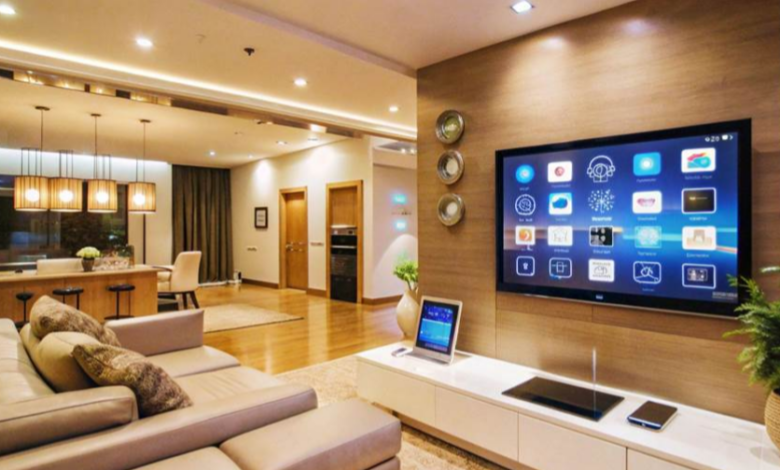
Remember the last time you tried to rearrange your living room? You probably had a vision of the perfect layout, only to have it ruined by a single, stubborn fact: the TV was tethered to the cable box, which was tethered to the speaker system, which was tethered to the wall. For decades, our home entertainment ambitions have been literally tied down by copper wires.
But things are changing. We are currently witnessing a massive shift in how we consume media at home. The clunky, cable-heavy systems of the past are quickly being replaced by sleek, wireless Audio Video setups. This isn’t just about getting rid of ugly wires; it’s about a fundamental change in how we interact with technology in our own homes.
What are the benefits of wireless AV systems?
The transition to wireless isn’t happening just because it looks cool (though that certainly helps). There are practical, tangible benefits that are driving homeowners to cut the cord on their old Audio Video equipment.
Enhanced flexibility and aesthetics
The most immediate benefit is the freedom of placement. Traditional setups dictate where your furniture goes based on where the outlets and cable jacks are located. With a wireless system, you are the architect of your space. You can mount a projector on the ceiling without running trunking down the wall, or place surround sound speakers behind the sofa without tripping over wires every time you walk by. The result is a cleaner, more minimalist aesthetic that lets your decor shine, rather than your electronics.
Simplified installation
Gone are the days of drilling holes through drywall or fishing cables through attics. Wireless Audio Video systems are designed for the modern consumer who values time and simplicity. Most modern devices are plug-and-play. You plug them into power, connect them to your Wi-Fi network, and they find each other. You don’t need to hire a contractor or an electrician just to watch a movie in surround sound.
Cost-effectiveness
While high-end wireless gear can be an investment, the overall cost often comes out lower when you factor in installation. Traditional systems often require professional installation, expensive cabling, and sometimes even structural modifications to your home to hide those cables. By eliminating the labor and infrastructure costs, wireless setups often provide a better bang for your buck.
What are the key components of a wireless AV setup?
If you’re ready to make the switch, it helps to understand the parts that make the magic happen.
Wireless transmitters and receivers
These are the invisible bridges of your system. A transmitter connects to your source device (like a cable box, gaming console, or Blu-ray player) and sends the signal through the air. The receiver sits by your display device (like a TV or projector) and catches that signal. This allows you to hide your ugly cable box in a cupboard across the room while your TV stays sleek on the wall.
Wireless speakers and soundbars
Audio has arguably benefited the most from the wireless revolution. Wireless soundbars and subwoofers communicate with each other over dedicated frequencies or Wi-Fi. This means you can achieve that cinematic rumble without running a thick cable across your living room floor.
Streaming devices
Streaming sticks and boxes (like Apple TV, Roku, or Chromecast) are the ultimate wireless components. They plug directly into your TV’s HDMI port and pull content straight from the internet. They eliminate the need for physical media players entirely, serving as the brain of your modern Audio Video setup.
Are there concerns with wireless AV?
It’s natural to have reservations. For a long time, “wireless” meant “unreliable.” However, the technology has matured significantly.
Latency and interference
In the early days, wireless audio sometimes lagged behind the video, resulting in a distracting lip-sync error. Today, modern wireless protocols have reduced latency to imperceptible levels. Advanced systems also operate on less crowded frequencies (like 5GHz or 60GHz) to avoid interference from your microwave or neighbor’s Wi-Fi, ensuring a smooth, glitch-free experience.
Security measures
With any connected device, security is a valid concern. Fortunately, manufacturers of reputable wireless Audio Video equipment use encryption standards similar to what you use for online banking. This ensures that your neighbors can’t accidentally (or intentionally) hijack your speakers or view what you’re streaming.
Is it time to upgrade your home theater?
The shift to wireless is more than a trend; it’s the new standard. Wireless Audio Video setups offer a level of freedom, simplicity, and elegance that traditional wired systems simply can’t match. By removing the physical limitations of cables, we are free to design our homes around our lives, rather than our electronics. Whether you are a casual viewer or a dedicated cinephile, cutting the cord might just be the best upgrade you ever make.