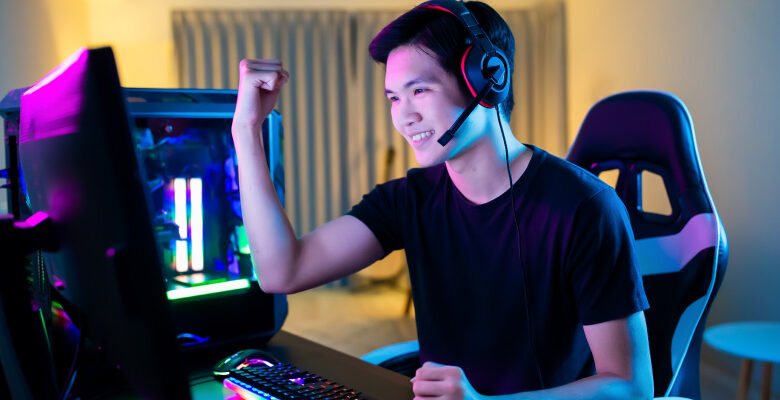
Online gaming is often seen purely as a source of entertainment — but its impact goes far beyond fun. In recent years, researchers, educators, and professionals have increasingly recognized the valuable real-world skills that gaming helps develop. Whether you’re playing competitive shooters, strategy games, RPGs, or even casual platforms like qq online, online gaming can teach a surprising number of practical and cognitive skills.
Here are the top skills you can learn from online gaming and how they benefit you in everyday life.
1. Strategic Thinking
Many online games require players to plan, analyze, and execute strategies under pressure.
You learn to:
- Evaluate threats
- Organize your resources
- Predict opponent behavior
- Make informed decisions
This skill translates into effective planning and decision-making in real-life situations.
2. Teamwork and Collaboration
Multiplayer games often require coordinated team efforts to succeed.
Players develop:
- Communication skills
- Role awareness
- Cooperation
- Trust in teammates
These teamwork abilities are highly valuable in school, work, and personal relationships.
3. Problem-Solving Skills
Games frequently present puzzles, challenges, and unexpected obstacles.
Gaming teaches you to:
- Think creatively
- Analyze problems quickly
- Try multiple solutions
- Persevere when faced with difficulty
Problem-solving becomes second nature through regular gaming.
4. Quick Decision-Making
Fast-paced games train players to react in milliseconds.
Benefits include:
- Faster reflexes
- Improved judgment
- Sharper situational awareness
- Confident decision-making
These skills are helpful in emergency situations, sports, and high-pressure jobs.
5. Leadership Skills
In many team-based games, someone must take the lead — calling strategies, organizing roles, and motivating the team.
Gaming builds:
- Leadership confidence
- Responsibility
- Conflict resolution skills
- Tactical coordination
Many gamers naturally step into leadership roles in real life.
6. Multitasking Ability
Online games often require players to manage several actions at once.
You learn to:
- Track multiple enemies
- Monitor health and resources
- Communicate with teammates
- Adjust strategies instantly
This multitasking skill can improve productivity and time management.
7. Social Skills and Emotional Intelligence
Gaming communities allow players to interact with people from diverse backgrounds.
Players develop:
- Empathy
- Social awareness
- Respectful communication
- Cultural understanding
These relationships often turn into real friendships and lasting bonds.
8. Focus and Concentration
Online games demand sustained attention and mental engagement.
Gaming strengthens:
- Concentration span
- Task focus
- Cognitive endurance
These skills can improve academic performance and work efficiency.
9. Technical and Digital Skills
Gamers naturally learn how to use various technologies.
Skills include:
- System optimization
- Understanding game mechanics
- Using digital communication tools
- Managing settings and hardware
These digital abilities are increasingly essential in today’s tech-driven world.
10. Resilience and Stress Management
Online games often involve both victory and defeat. Handling setbacks helps players become emotionally stronger.
Gaming teaches:
- Patience
- Determination
- Ability to learn from mistakes
- Stress control
These traits contribute to mental resilience in real-world challenges.
Final Thoughts
Online gaming is more than entertainment — it’s a powerful learning environment that strengthens strategic thinking, teamwork, leadership, emotional intelligence, and digital skills. When enjoyed responsibly, gaming becomes a valuable tool for personal development and real-world growth. Even casual gaming spaces like qqemas contribute to skill-building by encouraging social interaction and strategic gameplay.
So the next time you play online, remember: you’re not just having fun — you’re improving yourself.