A lush, green lawn doesn’t happen by accident; it’s the result of consistent care, smart timing, and a little bit of knowledge about how grass grows. Understanding the best times to mow, water, and fertilize your lawn can make all the difference between dull, patchy grass and a vibrant, healthy landscape. Whether you’re working with new turf Batemans Bay or maintaining an established yard, timing your lawn care tasks properly ensures long-lasting results and less work over time.
Mowing: Timing and Technique Matter
Mowing may seem like a simple chore, but it’s one of the most important aspects of lawn care. The key is to mow frequently enough to maintain the right height without cutting too much at once. As a general rule, never remove more than one-third of the grass blade in a single mowing session. Cutting too short can stress the lawn, leaving it vulnerable to weeds, disease, and drought.
The best time of day to mow is mid to late morning, after the dew has dried but before the day’s heat peaks. This helps prevent clumping and minimizes stress on the grass. Evening mowing can also be effective, but avoid cutting too late when the lawn may stay damp overnight—moisture encourages fungal growth.
The mowing schedule depends on the season and the type of grass. During the active growing season, weekly mowing is ideal; during cooler or dormant periods, mowing may be needed only every two to three weeks. Sharpening mower blades regularly ensures a clean cut, reducing the risk of tearing the grass blades and creating brown tips.
See also: Dive into Quality: How to Find the Best Pool Builders in Northern Rivers
Watering: Consistency Over Frequency
Proper watering is essential for maintaining a resilient and attractive lawn. However, more water doesn’t always mean better growth. Overwatering can suffocate roots and promote shallow growth, while underwatering can cause the lawn to dry out and turn brown. The goal is to water deeply and infrequently, encouraging the grass to develop strong root systems.
Early morning, between 5 a.m. and 9 a.m., is the best time to water your lawn. This allows moisture to soak into the soil before the heat of the day causes evaporation. Watering in the evening should be avoided, as it can leave the grass wet overnight, creating an ideal environment for fungus.
A good rule of thumb is to provide about 2.5 cm (1 inch) of water per week, including rainfall. You can measure this by placing a shallow container on the lawn while watering. If you notice water running off before it soaks in, try watering in shorter intervals to allow for better absorption.
Smart irrigation systems or simple timers can make it easier to maintain a consistent schedule, ensuring your lawn gets what it needs without waste. Remember that new lawns and freshly installed turf require more frequent watering until roots are well established.
Fertilizing: Feeding for Growth and Strength
Fertilizing provides the essential nutrients that grass needs to grow thick, green, and healthy. However, timing and application technique are critical for maximizing benefits while avoiding damage. The right fertilizer and schedule depend on the grass type and the local climate.
For most lawns, early spring and late summer are the optimal times to apply fertilizer. Spring feeding promotes new growth after winter dormancy, while late summer or early autumn applications help strengthen the grass for cooler months ahead. Avoid fertilizing during periods of high heat or drought, as the nutrients may not be adequately absorbed and can even burn the grass.
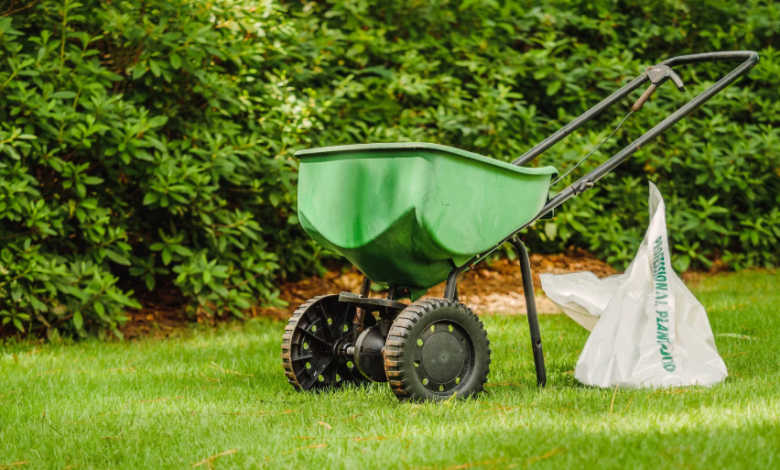
Use a balanced, slow-release fertilizer to ensure steady nutrient delivery over time. When applying, follow the manufacturer’s instructions carefully and use a spreader to evenly distribute the product. Water the lawn regularly after fertilizing to help nutrients penetrate the soil and activate the fertilizer.
Regular soil testing can help you determine the specific nutrient needs of your lawn. Knowing whether your soil is deficient in nitrogen, phosphorus, or potassium enables you to tailor your fertilization plan for optimal results.
Maintaining a Healthy Lawn Year-Round
Successful lawn care isn’t just about individual tasks; it’s about consistency and balance. By synchronizing mowing, watering, and fertilizing schedules, you can create a self-sustaining lawn that looks great and stands up to wear, weather, and pests.
Monitor your lawn’s condition regularly. Signs such as yellowing patches, compacted soil, or uneven growth often indicate the need for adjustments. Aeration and dethatching every year or two can also improve soil health and nutrient absorption.
For homeowners working with professional-grade turf Batemans Bay or similar high-quality grass, these principles apply universally. With thoughtful care and attention to timing, your lawn can remain thick, green, and welcoming throughout the seasons.