Wondering whether a Japanese mat or a regular rug fits better in your space? Here’s the thing: they might look similar at first glance, but they serve completely different purposes in how you use your room.
A Japanese mat (particularly tatami) is a firm, woven floor covering designed for floor-level living. Meanwhile, rugs are softer floor coverings that add warmth and style and work around your existing furniture setup.
However, there’s more to consider than just appearance and texture. Our team at www.mademinimal.com.au has helped Brisbane families choose the right flooring options for their homes, so we know what works in Australian conditions.
And here we’ll share those insights. You’ll learn about:
- What sets Japanese mats apart from standard rugs
- Traditional tatami construction and modern variations
- Which option works best for different room types
- Maintenance realities for each choice
Keep reading to figure out what feels right under your feet.
See also: Why UK Homeowners Love Glass Roof Lanterns for Modern Living Spaces
What’s the Difference Between a Japanese Mat and a Rug?
As we’ve already explained, Japanese mats are firm, woven floor coverings designed for sitting and sleeping on, while rugs are softer, decorative layers placed over existing floors. While both cover your floor, they’re different in purpose and how they fit into your daily life, too.
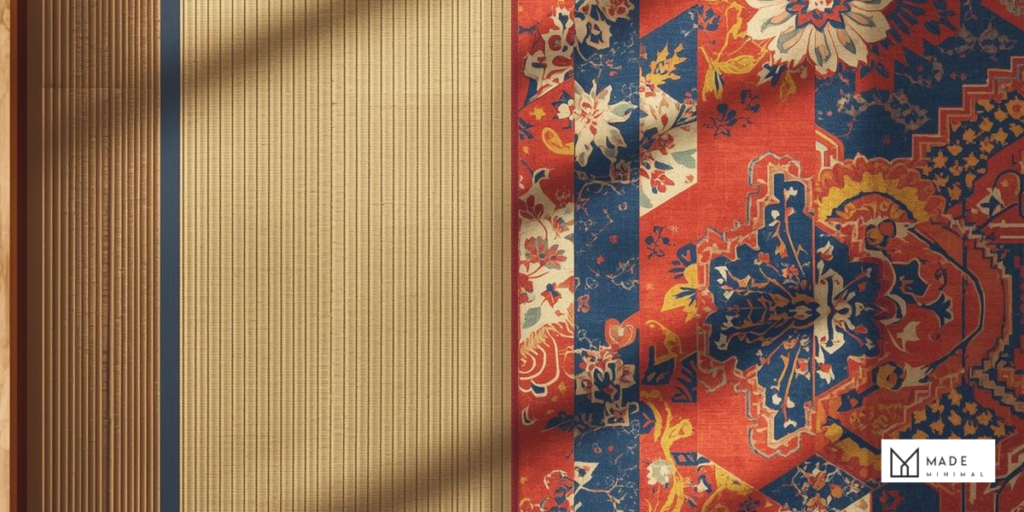
Let’s look at what sets them apart.
Material: Rush Grass vs Wool and Synthetic Fibres
Ever notice that fresh, grassy smell when you walk into a room with tatami? That’s because these mats use woven rush grass (igusa), which has a natural, earthy smell. The material is firmer and more textured than anything you’d find in a standard rug.
On the flip side, rugs typically use wool, cotton, synthetic fibres, or blends for softness and comfort. The thing is, different materials give you different textures and practical benefits depending on your needs.
While wool adds warmth and natural stain resistance, synthetics offer durability at a lower cost.
Construction and Thickness
In terms of thickness, Tatami mats have three layers:
- Core (doko)
- Woven rush surface (omote)
- Fabric edge (fuchi)
The core provides structure, while the woven top gives you that distinctive texture. And the fabric edge wraps around to hide the woven ends and add durability.
Now, rugs are usually single-layer constructions with backing, ranging from thin flatweaves to thick pile. The backing material and weave density determine how thick and soft they feel. Some have grippy rubber backing, others use jute or canvas.
Keep in Mind: Tatami mats sit flush with the floor, while rugs add height and cushioning. This impacts how doors open and whether furniture sits level.
So if you’ve got a door that barely clears the floor, adding even a thin rug can cause issues.
How They’re Actually Used
People in Japan use tatami as the actual floor surface in certain rooms. These mats are meant for sitting, sleeping, and walking barefoot in traditional-style rooms.
Meanwhile, rugs define spaces, add warmth, and protect floors without requiring you to change habits. They work with Western furniture arrangements and don’t expect you to adopt new living patterns. You just place them where you want visual interest or floor protection.
One becomes part of the room’s foundation, the other is decorative and movable. That’s the real difference in how you live with each option day to day.
Tatami Mats Explained: The Traditional Japanese Floor
But what makes tatami different from other Japanese mats you might see in shops? Believe it or not, there’s proper engineering behind them.
Tatami mats are the traditional flooring in Japanese homes, called Washitsu Rooms. Japan’s traditional rooms have featured tatami for centuries because the mats provide a firm but comfortable surface for floor-level living.
Originally, rice straw formed the core, but modern versions use compressed wood chips or foam. Why the sudden change, you ask? Rice straw attracted bugs and compressed unevenly, so manufacturers switched to more stable materials that still provide firm support.
What’s more, manufacturers dry each piece of rush grass, sort by quality, and weave them together. That’s why authentic tatami from Japan carries a higher cost than synthetic alternatives.
Types of Japanese Mats You’ll Come Across
Japanese mats come in four main types, each suited to different needs and budgets. After testing a few different types ourselves, here’s what you should know.
- Standard Tatami: Uses rice straw core and rush grass surface for authenticity. These are what you’d find in traditional Japanese houses, and they’re the closest you’ll get to the real thing. Most options in stock use this construction, though availability varies by size.
- Foldable Tatami Mats: They offer portability and easy storage for temporary use or small spaces. The main benefit here is flexibility. You can store them in a cupboard when guests leave or roll them out for yoga practice.
- Goza Mats: Goza mats are the best choice if you want something for yoga, meditation, or layering over existing floors. They’re lighter and easier to move around than full tatami mats, but still give you that natural rush grass surface.
- Particle Board Mats: Based on our experience, most particle board or wafer board core mats are budget-friendly and moisture-resistant for humid climates. So, these options suit Brisbane’s unpredictable weather better than traditional rice straw.
Pro tip: Check dimensions before you add any mat to the cart since sizes vary between suppliers. Wrong measurements mean a mat that doesn’t fit your room properly or leaves awkward gaps at the edges.
Once you understand the types available, it’s time to figure out which option actually suits your space.
Which One Works for Your Space?
Tatami mats are perfect for a minimalist setup with floor seating and futons. They support traditional Japanese living without needing any Western furniture. But if you already own a sofa, dining table, and chairs, a rug works too.
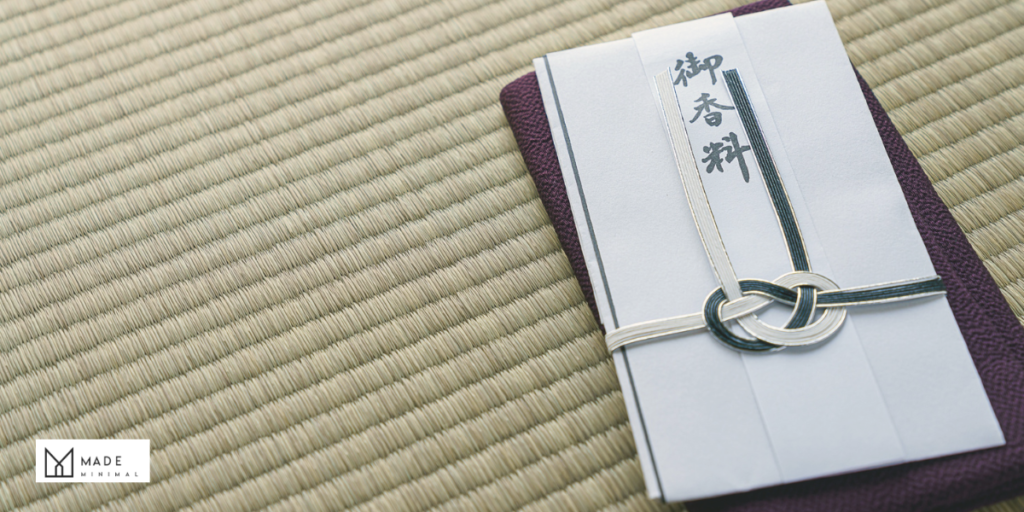
The better choice becomes clearer once you compare how they perform in different spaces.
Small Rooms and Apartments
As we’ve already mentioned, tatami mats work well in compact rooms because they sit flush with the floor and don’t create visual clutter. Foldable or goza mats also give you the flexibility to roll them away when not in use.
However, rugs can make small rooms feel cramped if they’re too thick or heavily patterned. Dark colours and busy designs eat up visual space in ways neutral tatami doesn’t.
Living Areas with Furniture
Planning to keep your sofa and coffee table in the room? Then you’ll want a rug instead of tatami.
Rugs handle furniture weight better and won’t compress or wear unevenly under chair and table legs. The backing provides cushioning that distributes weight across a larger area, so your floor covering lasts longer. So, if you’re using sofas and dining tables, stick with a rug for durability.
Tatami works for floor seating arrangements with low tables and cushions, not Western-style furniture setups that concentrate weight in specific spots.
Meditation Corners and Guest Rooms
Now that you know how mats and rugs handle furniture, let’s look at low-furniture spaces.
Japanese mats work well in low-furniture spaces like meditation areas, reading nooks, or guest sleeping rooms. The firm surface provides proper support without sinking under your weight. Plus, the natural rush grass helps regulate temperature better than synthetic rug fibres.
Rugs work too, but lack the traditional aesthetic and natural airflow that tatami provides. They provide more comfort if you’re just sitting casually, but don’t give you that authentic minimalist feel.
Caring for Japanese Mats vs Regular Rugs
When you’re adding tatami to the cart, you should always account for the extra care time. These mats need regular maintenance to stay in good condition and avoid mould problems. However, some simple habits can make tatami care much easier than it sounds.
Follow these steps for long-lasting tatami mats:
- Weekly Cleaning: Wipe the tatami weekly with a dry cloth to remove dust. And remember not to use vacuums directly on the surface. The suction can pull at the woven rush and damage the fibres over time. A simple microfibre cloth does the job without risk.
- Monthly Airing: Drying the mats in the air and sun every 1-2 months helps prevent mould and keeps them fresh. Just lift the mat and place it outside or in a well-ventilated room on a dry day so the moisture can escape.
- Regular Rotation: This simple step doubles the lifespan by preventing one area from taking all the foot traffic. Mark one corner with tape so you remember which way to rotate next time.
Compared to tatami, rugs can tolerate rough use better. You can vacuum them weekly, spot-clean spills with water, and even steam-clean most options without worry.
The cost of maintenance is lower because you’re not constantly monitoring humidity or scheduling airing-out sessions.
Pick What Feels Right Under Your Feet
Tatami mats work best when you’re ready to design your room around the mat itself, not just add it as an accent piece. They suit minimalist, floor-level living and bring a traditional, natural feel to spaces. But rugs offer more versatility, easier maintenance, and work better with furniture-heavy rooms.
Think about how you use the room daily before committing to either option. The right choice depends on whether you’re willing to adapt your lifestyle or want your floor covering to adapt to you.
Whicheve option you choose, our team at Made Minimal will help you through every step, making sure the mat or rug fits your space and lifestyle perfectly