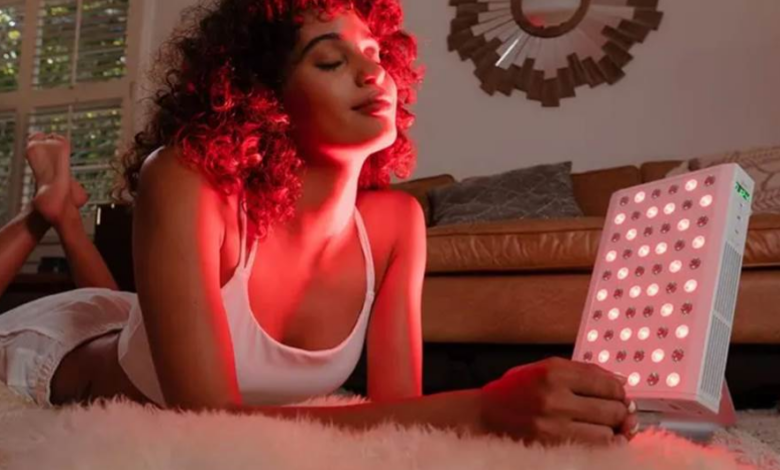
You’ve probably seen them scrolling through your social feeds or sitting on a coworker’s desk: bright, flat panels glowing like miniature suns. They promise better sleep, improved mood, and even clearer skin. But as with any wellness trend, it’s hard to separate the genuine health hack from the hype.
Light therapy isn’t new, but its popularity has surged recently. Before you invest in one of these devices, it’s crucial to understand what is actually happening when you flip that switch. Is it really a medical marvel, or just a very bright placebo? Let’s break down the science versus the sales pitch.
What is Light Therapy?
Light therapy, also known as phototherapy, involves exposure to daylight or specific wavelengths of light using polychromatic polarized light, lasers, light-emitting diodes (LEDs), fluorescent lamps, or very bright, full-spectrum light.
The concept dates back centuries, but modern application typically involves sitting near Light Therapy Lamps for a set duration, usually in the morning. The goal is to mimic outdoor light, which can affect brain chemicals linked to mood and sleep. While it started as a treatment for seasonal changes in mood, its uses have expanded significantly in both medical and home settings.
How does light affect the body?
Our bodies are governed by circadian rhythms—essentially an internal 24-hour clock that runs in the background of your brain and cycles between sleepiness and alertness at regular intervals. This clock is heavily influenced by light.
When light enters your eyes, it stimulates the retina, which then sends signals to the hypothalamus. This part of the brain controls the production of melatonin (the sleep hormone) and serotonin (the mood-regulating neurotransmitter).
The science behind the glow
Research supports the effectiveness of light therapy for several specific conditions. Studies have consistently shown that exposure to bright artificial light can effectively treat Seasonal Affective Disorder (SAD). By mimicking sunlight, Light Therapy Lamps can help suppress melatonin production in the morning, helping you wake up and feel more alert, while boosting serotonin levels to improve your overall mood.
There is also promising evidence regarding sleep disorders. For people with delayed sleep phase syndrome (night owls who can’t fall asleep until the wee hours), morning light exposure can help shift their internal clock earlier.
Spotting the marketing myths
While the science is solid for certain conditions, marketing teams often take creative liberties. You might see claims that a specific lamp can “cure” depression instantly or replace medication entirely. This is dangerous territory.
Red flags to watch for
● “Instant Results”: Real phototherapy takes time—often days or weeks of consistent use—to show effects. Any product promising immediate relief is likely overpromising.
● “Cures Everything”: While beneficial for SAD and sleep issues, light therapy isn’t a magic bullet for all mental health struggles or physical ailments.
● Vague Specs: A true therapeutic device needs to emit a specific intensity of light, measured in lux. Many cheap imitations sold online are essentially just bright desk lamps that lack the necessary intensity (usually 10,000 lux) to be effective.
Practical applications: Who should try it?
If you struggle with the changing seasons, find yourself dragging through dark winter mornings, or have a sleep schedule that feels out of sync with the rest of the world, light therapy might be worth exploring.
How to choose a Light Therapy Lamp
Not all lights are created equal. If you decide to try it, look for these specifications to ensure you aren’t just buying an expensive reading light:
- Intensity: Look for a lamp that provides 10,000 lux. This is the standard intensity used in clinical studies.
- UV Filtering: Ensure the lamp filters out UV light to protect your eyes and skin from damage.
- Size and Position: The lamp needs to be large enough to create a decent field of light, and you need to be able to sit close to it (usually 16 to 24 inches away) without staring directly into it.
Making an informed choice
Light therapy is a fascinating intersection of biology and technology. It offers a drug-free way to influence our internal clocks and improve mental well-being for many people. However, it is a tool, not a miracle cure.
Before buying Light Therapy Lamps, look past the flashy packaging. Focus on the lux, the UV safety, and realistic expectations. If you suspect you have SAD or a clinical sleep disorder, the best first step is always a conversation with a healthcare provider, not a “Buy Now” button.